The Global Leadership Hypothesis. What makes a great leader?
The Global Leadership Hypothesis. What makes a great leader?
Episode 1 - In conversation with Anders Liu-Lindberg
Business Partners - leaders or individual contributors?
Great business partners transition quickly to being leaders.
Some of the highlights and key messages from the conversation with Anders Liu-Lindberg in the series " #GlobalLeadershipHypothesis – what makes a great leader?" are
❇️Leadership is not about you
❇️Relinquishing control of the output
❇️Why does Anders regard himself as a super delegator?
❇️Leadership 101 in Finance
❇️The Power of micro-steps
❇️How Anders uses failure to his advantage
Anders reveals something that I would never have expected from his public profile.
#leadershipdevelopment #financeleaders #cfoinsights
© Talita Ferreira, CEO and founder of Authentic Change Solutions
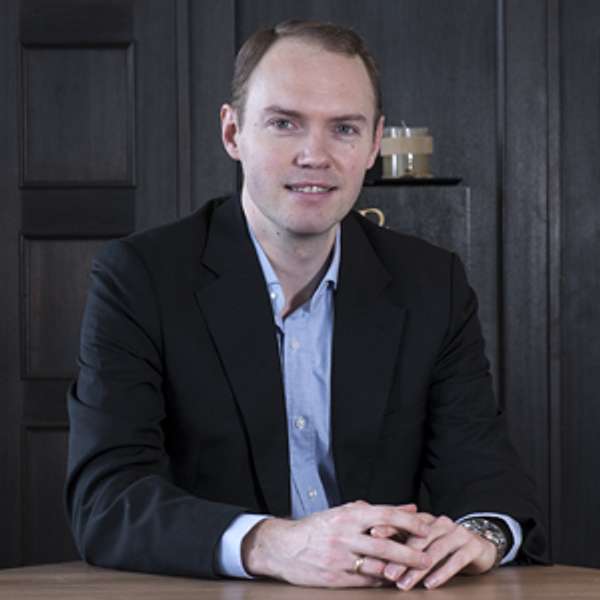
So I'm very excited to have Anders Liu Lundberg with me today. Anders is an avid blogger with a huge following. Anders has been a business partner in large organizations like Mask and is the co-founder of the Business Partnering Institute that is all about helping finance leaders to be better business partners to the business. So welcome Anders. I'm so excited to have you with me.
SPEAKER_00:Thanks a lot, Talita. I'm very happy to be part of this leadership series that you're doing.
SPEAKER_01:Thank you. So Anders, tell us a little bit about yourself.
SPEAKER_00:Yes, so I've been 13 years in corporate, ever since I graduated basically, and I've worked in different finance roles, controller roles, business partner roles, finance manager, you name it. And then this February I stopped and MERSC after 13 years in corporate and uh and joined the Business Partner Institute full-time. It's a consultant company that I helped found back in 2018. And as you rightfully said, I mean, we help finance professionals become better business partners. And that is really also my passion, right? That I've been working with business partnering for 10 years actively, and finally I managed to become a good one in the end. So I know how much it takes to develop into a good one, how much pain and failure you need to go through before you actually get there. And now I just want to help the rest of the world get it too.
SPEAKER_01:Fantastic. So you've joined the dark side, the world of entrepreneurial um aspirations, I suppose.
SPEAKER_00:Yeah, you can you can say that. I'm not sure it's the dark side. I'd rather call it the fun side.
SPEAKER_01:Or the light side, depending on your specific uh perspective. For me, it's definitely been the light side. Fantastic. So um, Andesh, we are doing this series around um a hypothesis of leadership because I want to understand better what makes a great leader. Do you have a definition for what makes a great leader?
SPEAKER_00:I mean, to me, it's someone that one creates followership and two develops more leaders. So why do I say that? Well, followership, you don't only get followers if you're doing something right that's worth doing for yourself as well. Right. So if you're a leader and you do stuff which doesn't get your team to follow you, then you're probably not doing the right thing. But if they're following you, it's probably because you're doing the right thing and they want to maybe not become exactly like you, but at least they want to mimic some of the things that you're doing because they see it makes you and probably also them successful.
SPEAKER_01:So it has something to do with people.
SPEAKER_00:Absolutely, absolutely. And then the second part, of course, is then to create more leaders. I I always remember this story from a CFO I work with who had been in Proxine Gamble, and he said in Proctine Gamble, you couldn't get to your next role or the next level of leadership unless you have trained or found your replacement. So I think that's a very great principle to follow. And in some way, you should do it even if you're not a leader. So I come out of corporate for 13 years. Um, and at the end of it, I got a I got an assistant to help me as a business partner. And since I left, he's really been the one doing the work. And now he's uh he's three months into it, he's working like like crazy, he's sitting in India. But I mean, I wanted him to be able to do what I can do. I always told him that because I thought, you know, then he's gonna be a better business partner, and then he can just step in and take my role when I'm gone. Whether then corporate lets him or not, it's a different story. But I feel that's a great principle to follow. You should be able to do what I can do.
SPEAKER_01:Yes, so it's almost like helping the person to actually fill your shoes. So working you out of a job and growing and developing them so that they can take over from you.
SPEAKER_00:Absolutely. And I'm not saying they should do exactly like me or exactly like the leader that I trained them, but they should develop their own aspirations and pick up stuff from me or from other leaders in terms of how they want to be, but but definitely they should be able to fill the role. They might not then fill the role, they might do something else with themselves, but I think that should always be our aspiration.
SPEAKER_01:Fantastic. So, Anders, if you had to give um a leader some advice and you said how can the individual leader unlock their potential, what would that be for you? Where would they start?
SPEAKER_00:Yeah, so I think the the really first thing to think about is that leadership is not about you, it's about everyone else. Right? Because if you think it's about you, you think it is about how can you do well, how can you perform well, how can you deliver good deliverables. That's not right. It's about how to get the team to shine and do good work because then automatically you will do good work as well. Um, so so really that's that's the key point here. Shift perspectives from yourself to the ones you're leading and do everything you can to help them do good work. That's all it's about.
SPEAKER_01:Fantastic. So it's really about that team interaction, doing it as a team, not really just being the significant hierarchical leader, but really seeing the significant value in team.
SPEAKER_00:Absolutely. Of course, the leader needs to be a role model as well. So I always struggle a bit with the with the thinking of a leader and a business partner because I work with business partner, right? So do I want the leader to be a better leader or a better business partner? And I really cannot pick, which probably means that he or she needs to be both. You need to be a great leader and a great business partner. Because if you're not a great business partner, it's difficult to be a good role model. And you have to be a good role model in order to create followership with the team. So you really need to be able to both do the work yourself, have done it in the past, can step in into it again if need be, and then be a good leader that goes out with your team and observe them in action so that you can give them good feedback and provide proper coaching afterwards. Because I see way too many leaders that lead from behind the desk, that leads through systems, processes, and other things. And that's just not it just doesn't work, right? You have to lead together with your people. Maybe 10, 20 years ago, finance could lead through systems and processes checklist, we cannot do that anymore. Right? So the leadership role in finance at least has changed.
SPEAKER_01:So it's less about the doing and all the activities and the processes around it, but more about the interaction with the people, your own team and then the other people around you.
SPEAKER_00:That's really the only thing it's about, right? Yes, of course, you should create frameworks and structures for people to work within, but but you shouldn't be the one doing the work. You should be the one helping people to get it done. Because as soon as you are the one doing the work, it means you're taking opportunities away from the people you're trying to develop. And wouldn't that be the worst thing?
SPEAKER_01:Exactly. Um I met quite a few leaders like that, I have to say, in my corporate life. People who were afraid to develop people because they would be afraid what would then happen to them, or people who felt like they always had to be the cleverest and have all the answers. And um, they might have been successful for a while, but in the end, over a long period, they were never successful anymore. And um, is that also your experience?
SPEAKER_00:Yeah, I think so. I mean, if if I look at myself, I always call myself like a super delegator. In principle, I prefer not to have to do anything because I let my team take all the opportunities. Of course, I'm there to provide a safe net in case things go wrong, right? I would never blame a team member because things were wrong. Then we take that failure together and we learn from it. And if they are successful, I let them shine as much as possible. Um, so you know, of course, I'll give coaching and feedback and everything else along the way, but I try to do as little work as possible myself because it's not about me, it's about them.
SPEAKER_01:So, in this um team interaction and connection with other people, from your perspective, it's a lot about coaching. It's a lot about coaching, guiding, helping to grow and develop.
SPEAKER_00:Absolutely. I mean, to me that that is I mean, in some ways leadership 101, right? But it's just not how we have been used to leading, at least not in finance. We've been used to leading in different ways, but now we need to go back to, you know, just read a leadership book and say what does it say, and then look at yourself and say, is that actually how I'm leading today? No, probably not. Probably I'm doing something else, but it's it's not rocket science, right? It's just observing your people in action so you can give good coaching and feedback.
SPEAKER_01:Fantastic. Thank you, Anders. So um, if you would want to give a leader some advice on where to start, because um maybe they're fearful, maybe it's the first first time that they've taken over a team. What would you suggest they do as a first thing?
SPEAKER_00:So I always say, you know, start by getting out of the comfort zone, right? I mean, you're in a comfort zone, and maybe you have gone from being an individual individual contributor to a leader, and that is per definition uncomfortable. Right now you're doing things you have never done before. So you need to be willing to step outside the comfort zone. But then you should also think about who are some of the great leaders that you have worked with during your time as an individual contributor. What did they do that you liked? And vice versa, if you work with uh not so good leaders, what did they do that you didn't like? And then try to take what they have done and start there, and over time you'll make it into your own. Um so I worked with uh with a leader once. Um I was a business controller and he was the head of uh business controlling, and and he sort of had a small, you can say, finance manager factory. Almost all the finance managers in the company came out of his team because he was so great at giving all of us opportunities to do uh good work. He would never step in and take over from us. Um he would always give good coaching and feedback in terms of what to do. If he gave us a task and he could see we didn't really like it, then you know he'd probably take it away from us again, but he wouldn't hit us in the face because we didn't do well. I mean, so I took a lot of good stuff from him and then I started with that, and then I sort of made it into my own. Um don't don't don't start out by thinking you had all the answers and you know everything that that that it takes, but reflect on what you have seen in others and make it good use for yourself.
SPEAKER_01:Fantastic. So it's a little bit research-based, it's really looking at what others do, or maybe reading some books like you said before, watching some YouTube um videos, and then just starting small, small steps just to progress.
SPEAKER_00:Yes, I think uh small steps or what we call micro steps is always the always the best approach. And that means you're always getting a little bit out of your comfort zone, right? Because just because you read something in a book doesn't mean that it's comfortable for you to you to just do in uh do in real life. So uh just you know, now I've become a consultant, and just because I read a book about selling doesn't mean that selling is comfortable for me right after just because I read the book. But I take small micro steps all the time and it's a little bit uncomfortable, but then I see how it goes. If I fail, I learn from it and I try something different. If I succeed, it becomes more comfortable and I try more and so on and so forth. That's really that's really my approach.
SPEAKER_01:Fantastic. And I think in there is also something about asking others around you, you know, asking for feedback, you know, positive feedback. How am I doing as a leader? You know, how is it working out for you?
SPEAKER_00:Absolutely. I mean, of course, you have your own team. Maybe as a new leader, you won't, you know, throw yourself completely at them and say, please tell me all the time how I'm doing as a leader, because that might seem a bit okay, he or she doesn't know, doesn't have a clue about what to do. I mean, you still want to have instilled some sort of confidence in them that you actually know what to do, but then you probably have a leader yourself. That's probably could be the leader that hired you even into this role. So why not ask him or her for advice about how to do this? So if you have some dilemmas you're thinking about, how would you do it, and so on and so forth. So that's probably and should be the best coach for you, right? But you can also over time ask the team, involve the team in helping you make become a better leader.
SPEAKER_01:I always, when I had a new person to lead, I would always ask the question how how do you like to be led that brings out the best in you? And most of the time people would say, I don't like to be micromanaged, I like to be given responsibility, I'd like to try things, but I'd like to know that you're there when I need you. That's kind of the if I have to paraphrase the answer, that's kind of the standard answer after trying that over many, many years.
SPEAKER_00:Yeah, and and doesn't it just make it so simple to lead, Telissa?
SPEAKER_01:It it does. Um, you know, it's actually a very simple thing if if you just believe that you can be confident about it and that you can take micro steps, as you say, because I think no one is just I think certain people are born good leaders, but I think it's about learning. It's a skill that can be learned and a skill that can be developed. It's definitely not something you're either just born with it or you're not.
SPEAKER_00:Exactly. And of course, you know, when you make that very big step from individual contributor to a leader, the hardest thing to do is really to relinquish control over the deliverable. Because you're used to having full control over your own deliverables and suddenly you don't anymore, but you still want to make sure it's to the same quality, high standard that you did, because that's what gave you the opportunity to become a leader in the first place. So the most natural thing to do is not wanting to relinquish that control, and that's when the micromanaging starts. So rather, you know, as I said, step outside the comfort zone, completely relinquish their control. Yes, quality might not be fantastic to begin with, but trust the team, trust the process, trust that you can coach them and give feedback for them to become better, and over time you will get much better deliverables because you know it's impossible that you can ensure individually as a leader that deliverables are great all the time. If your team cannot get that done on their own, everyone will fail.
SPEAKER_01:Fantastic. Great examples, Andes. So, Andes, do you have uh a story that you'd like to share of leadership? You know, sometimes we have great stories, you've already shared one of your previous uh leader, but do you have something that you would say this is a great story of leadership, or on the other hand, something where it's not so great so that some people can grow and develop from that?
SPEAKER_00:Yeah, so I was thinking about this and I actually wanted to tell a not not so great story about myself because I think it's it's important we also talk about those things, right? We can always sit here and give each other high five moments all the time, but it's really the the the not so great stories that we learn a lot from. So I was working as a as a finance manager in the US uh some eight eight years back now. And and along the way, I hired a uh a young guy. He started as an intern, um who was studying at the university, and then he started as an intern, and then later on we hired him full-time once he once he was uh done. And and you know, he it wasn't like he was an outstanding performer, but he did good work. I like working with him, I think he fit well into the team and so on and so forth. So lots of good boxes too. Um at some point though, he uh he started uh showing up late for for work, he missed uh he missed some meetings, um, and then of course you to try to firm things up and say, okay, well, you you gotta come in when we actually have the meetings, and you know it turns into written uh guidance and and warnings and whatnot. Um and at the end of it, uh we did have some conversations around what are some of the things that were going on in his life. I think his parents were getting divorced and so on and so forth, but he just kept missing the milestones. And and then uh then I felt at the time I had to let go of him. Of course, when I reflect on it afterwards, I should have done much more to help him as an individual through this difficult time, so that once he's through it, he'll come back and be a good performer. But I just didn't offer him enough help. I mean, one thing is to say, please let me know if there's anything I can help with, but that's like the standard corporate answer. But I should have done a lot more. So I feel like if I had done a lot more, I would not have had to let him go. Yes, he might have had to take some leave from work, that's uh that that's how it is, and he would have come back as a great uh great performer. So I've I feel like I definitely failed there, even though I followed the book and all the rules and whatnot, but it's not always what it's about. It's about the individual or the team that you're working with and how to help them be more successful. Sometimes you have to help them deal with some personal stuff, it's not all professional.
SPEAKER_01:Thank you for the sharing that um example, especially relating to yourself. I show I think it shows an openness and uh vulnerability there, Anders. Um, and so would you say what you could have done is maybe meet with him more often and try to guide him more with what he was struggling with, rather than just um saying, I'm there when you need me. And of course, he never reached out.
SPEAKER_00:Yeah, I think I think in this case, uh also maybe because it's the US, right? So you need to be a bit careful about how to how to deal with individual relationships because you don't want to open yourself up for lawsuits and other things. So what I should have done is I should have insisted on him getting some professional help, right? So not for me, but someone outside work that could actually help him with this. Maybe he could start with HR, I don't know. But instead of escalating the situation, once I knew what was really going on, I I should have stepped in and said, okay, let's just stop all work, let's let's put that on the back burner and see how can we how can we help the person right here in front of us, get some help so that he can get through this well and be a great performer afterwards.
SPEAKER_01:I think in there for me, what's really important is that empathy for other people as a leader, being able to distance a little bit from the this is what I expect for the work situation. I understand you going through things personally, and I need to empathize a bit more with you because of that, and maybe then give you a little bit more rope than I would normally do.
SPEAKER_00:Absolutely, absolutely. That that's that's what I should have done.
SPEAKER_01:Okay, well, thanks for sharing that, Anders. And uh also, you know, we grow and develop as we go through through our journeys. I also have situations where I look back and think, I should have done something differently. The very first person that I led um said to me and to others that I was an awful leader, and this was in my very early 20s, and she was totally right because I didn't I expected a mini me. So I expected her to do everything like me, and she wasn't me, and she needed something different from her leader, and uh she needed more support, more coaching, and I hadn't needed that before because I came out of um a big five auditing firm, and I'd been used to just being a self-starter and finding things out myself and getting them done, and I basically expected her to be the same, and she'd never been in a big audit firm, she'd more gone into industry, so she needed more support, more coaching, and so totally the same. I look back on that and also think I should have done so many things differently with her.
SPEAKER_00:Yeah, and it it it's another great example of how leadership starts with changing perspective from yourself to to others, right? Because when you are an individual contributor, it's natural that your perspective is on yourself, but when you are a leader, you just can't do it like that.
SPEAKER_01:Exactly. So, Anders, um, you blog a lot and you have a huge flo following on LinkedIn, and I know you're growing your email list. And I think last week on LinkedIn I saw that you've had a million views of of some of your articles, so all very good news. Is there something That you would say that you wish people asked you that they never ask you.
SPEAKER_00:I think actually I think I have good dialogues with people all the time about many different things. So there's nothing I'm sitting and thinking, why you didn't ask me that? I think there's probably things I would like to know more from people. Maybe some of the people or leaders I've worked with in the past, right? Ask some of the whys, why didn't you this and why didn't you that? Where as a person, and I'm sorry to hijack your question here, Talita, where where I as a person, you know, I tend to think, think too much and put too much into things. So sometimes I would just like to have things said out loud and say, you know, if you're not good enough, tell me. Um if if there's something wanting to do, tell me. If you tell me I'm great, but you don't help me to the next level, tell me why and all those things. So I think that's that's probably more. It's probably more me wanting to ask a lot of questions and and not not not have being asked something. Because I give a lot of myself all the time on LinkedIn and other other places. So I feel like a public person somehow, and there's nothing you can't ask me.
SPEAKER_01:Fantastic. Yeah, but that brings uh an important thing to the forefront. For you, it's um important that people are open and honest with you, that they really don't waste a lot of your time, precious time, but that they really cut to the chase and say what it is they're thinking. I think that's what I what I kind of surmise from from that.
SPEAKER_00:Absolutely, absolutely. I you know I'm a I'm a result-oriented person, right? So let's uh let's talk about what the issue is and then let's let's figure out how to how to move move on, right? I mean, it doesn't mean we shouldn't spend time thinking about problems and the issues, but let's get them on the table so we can start start working on them instead of you know a lot of uh corporate theater and other things. I just prefer to get things out there and let's deal with them.
SPEAKER_01:Yeah, perfectly, perfectly aligned with with my style. I sometimes think that's the easiest way. If if something is starting to bother you and you kind of feel, you know, intuitively or or something is just scratching at you to kind of just try and find out what is it and just ask. Just ask a couple of questions or ask a couple of people. One one will be surprised sometimes at what people are willing to share.
SPEAKER_00:Yeah, probably so.
SPEAKER_01:Good. Um, so Andersh, I think my last question to you would be something like: Do you have any career um success or failure that you'd like to share with us? So either your biggest career success or what you believe is your biggest career failure?
SPEAKER_00:Well, so I think you know, I've had so far a very diverse career, I think, compared to compared to most people. Uh it's probably not the 13 years in corporate that stands out as such. I mean, many people have done that. It's probably all the things that I've I've done on the side, uh, starting with with the blocking, right? So I've been on LinkedIn for for six years blocking and and in other platforms even before that, sharing thoughts, uh, sharing other people's content, getting into discussions and so on and so forth. Um, so I think my my biggest career success is probably the ability to step out of my introversion and and and become someone that is uh is is adept at talking to many different people, at least where you know when when I think it's important, uh networking and giving a lot of myself, as opposed to you know pulling back and really just letting it up to everyone else. Um so that's that's a big development uh area for me. In terms of failures, I mean, yeah, if you look at the standard answer, it's probably something around always wanted to have climbed higher on the on the corporate ladder. Um, many reasons for that, but but uh you know then I chose to do something different. Instead of you know living living just with that and waiting for something else to happen. I chose to take uh charge of my career and do something completely different. And now I'm you know an entrepreneur, working in a startup and becoming a consultant and learning how to sell and being a chief marketing officer, chief operations officer, doing nothing finance myself. I mean, it's uh it's it's very interesting, and and I've really always used you know failures to learn from them and do something different and grow. So I don't just keep you know banging my head into a wall.
SPEAKER_01:Yeah, I think that's an important thing for people to um start to be comfortable, finance professionals and analytical minds, with perhaps um failing a little bit and then learning from that failure. I think we're so DNA to get everything right, especially because financial results or even if you're a lawyer, you know, you want to be right. So it's harder for us. I think that's typically definitely outside the comfort zone to learn um to learn to be happy with making mistakes.
SPEAKER_00:Absolutely. You sounded up perfectly, Teresa.
SPEAKER_01:Perfect, thank you. So, my um, there was just one thing in there that I I think really um was very interesting, would be very interesting for our audience. So you've moved now to being a chief marketing officer. And would you say um that you have a natural ability for marketing, or would you say it's something that you're going to have to work at?
SPEAKER_00:Uh I would say both, right? I mean, you can say now I just shoot, shoot, do, shoot from the hip kind of marketing to say, you know, uh to speak my mind and and and market my views about stuff. Uh and then you know, over time I've become more and more professionalized in how I do things. But just uh just last week we sat down uh with a team of partners in BPI and and and looked at our new marketing strategy, which I put together together with our new student. And you know, that's that's that's a first for me, putting together a marketing strategy where we actually have to you know execute on certain initiatives and platforms and media and and start to you know doing things in a structured way. So I guess that is what a real marketing person is doing, but you know, up until then I've just been doing what I thought was the right thing to do, and I guess it worked all alright, but but now we have to uh to do things in a more uh you can say marketing-ish way.
SPEAKER_01:So more comprehensive getting the specialists to help you with a plan, strategy of where you want to go. Fantastic. Fantastic. Anders, I would have never known that you were um at heart actually an introvert. With being such a such a uh fervent blogger, I would have never known that. So that's a really surprising thing for me today that came out of our interview.
SPEAKER_00:Yeah, it's uh as I said, it's something I've worked a lot on developing. It's not that I try to become an extrovert because you I don't think you can change how you get your energy, but you can change how you actually go out and try to try to do things, right? So I used to be terrified at networking events, I'm not terrified anymore, but they still take away the same kind of energy as they used to do. Now I just actually get a lot more things out of it as well. So uh so so so in that sense, I mean it's the intervention is always there. I've just put myself out of the comfort zone like a million times, and and now I can do things I couldn't do before. So it's becoming more comfortable. Absolutely.
SPEAKER_01:So stretching your comfort zone.
SPEAKER_00:Absolutely, all the time, every day.
SPEAKER_01:Fantastic, Anders. I've loved this interview with you. Thank you so much for giving uh giving your time and for being so open with your opinions and um with telling us about yourself.
SPEAKER_00:You're welcome to Liza and thanks for the opportunity.
SPEAKER_01:Thank you.